
How to Create a Period-Positive Home Environment
- CASEY MOLLER
- Dec 28, 2025
- 2 min read
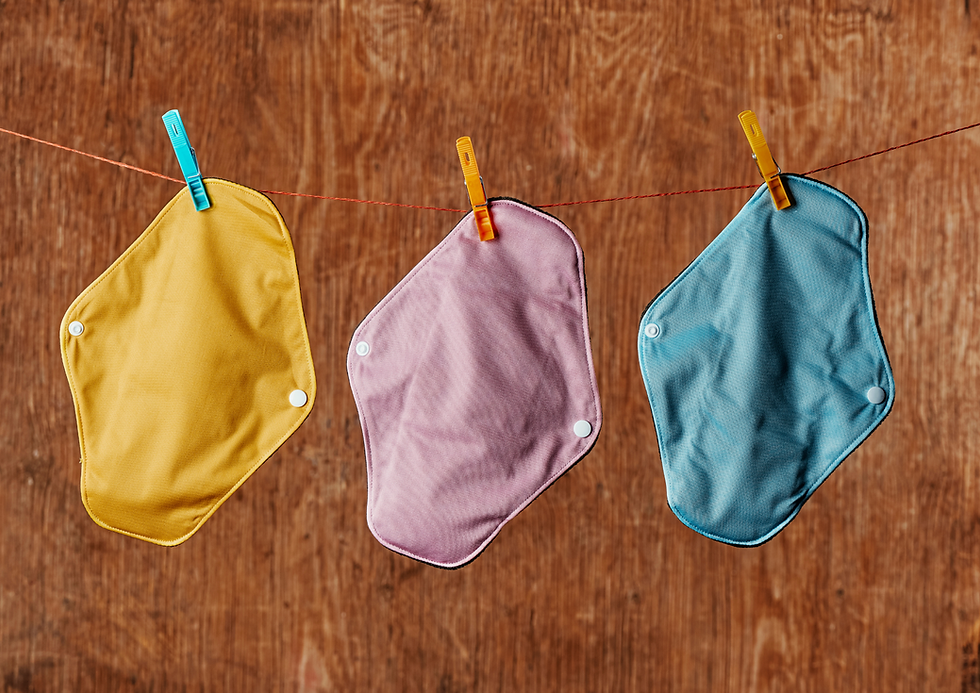
Creating a period-positive home doesn’t require big talks or perfect language. It’s about small, everyday actions that tell young people:
“Your body is normal.You’re safe to ask questions.You don’t need to feel embarrassed here.”
Use this checklist as a gentle guide, and just take what works for your family.
Talk About Periods Like They’re Normal (Because They Are)
☐ Use the word period (not code words like “that time”)
☐ Answer questions calmly and honestly
☐ Admit when you don’t know something and learn together
☐ Avoid jokes or comments that frame periods as “gross” or “annoying”
You don’t need a big sit-down talk. Small, regular conversations matter more.
Make Period Products Visible and Accessible
☐ Keep pads, tampons, or period underwear in a shared space
☐ Don’t hide products in drawers or cupboards
☐ Make sure young people know where supplies are kept
☐ Restock without making a big deal
Visibility sends a powerful message: this is normal household stuff.
Prepare Before the First Period
☐ Talk about periods before they start
☐ Explain what blood is and why it happens
☐ Pack a small “just in case” kit for school or outings
☐ Reassure them that accidents happen, even to adults
Preparation reduces fear and panic when the first period arrives.
Respond Calmly to Accidents
☐ Stay relaxed if there’s a leak or mess
☐ Help clean up without blame or frustration
☐ Reassure them it’s normal and okay
☐ Avoid telling the story to others without consent
How you respond shapes how they remember that moment forever.
Support Rest, Comfort & Emotional Changes
☐ Offer heat packs, comfy clothes, and rest
☐ Be flexible with expectations on tough days
☐ Acknowledge emotions without dismissing them
☐ Avoid comments like “you’re just hormonal”
Periods affect bodies and emotions, both deserve care.
Include Everyone in the Conversation
☐ Talk to all children about periods regardless of gender
☐ Encourage empathy and respect
☐ Teach boys and non-menstruating siblings how to be supportive
☐ Model respectful language
Periods shouldn’t be a “secret topic” they’re part of life.
Encourage Questions (Any Time)
☐ Let young people know there are no “silly” questions
☐ Invite curiosity without rushing answers
☐ Check in occasionally: “Do you have any questions about periods?”
☐ Use books, blogs, or videos as conversation starters
Questions are a sign of trust.
Model a Healthy Relationship With Your Own Body
☐ Avoid negative self-talk about periods or bodies
☐ Show self-care, not self-criticism
☐ Acknowledge hard days without shame
☐ Share what helps you feel better
Young people learn more from what we model than what we say.
A Gentle Reminder
You don’t need to be perfect.You just need to be open, calm, and kind. A period-positive home doesn’t eliminate awkward moments but it creates safety when they happen. And that safety stays with young people for life.



Comments